White House Announcement. July 20, 2026.
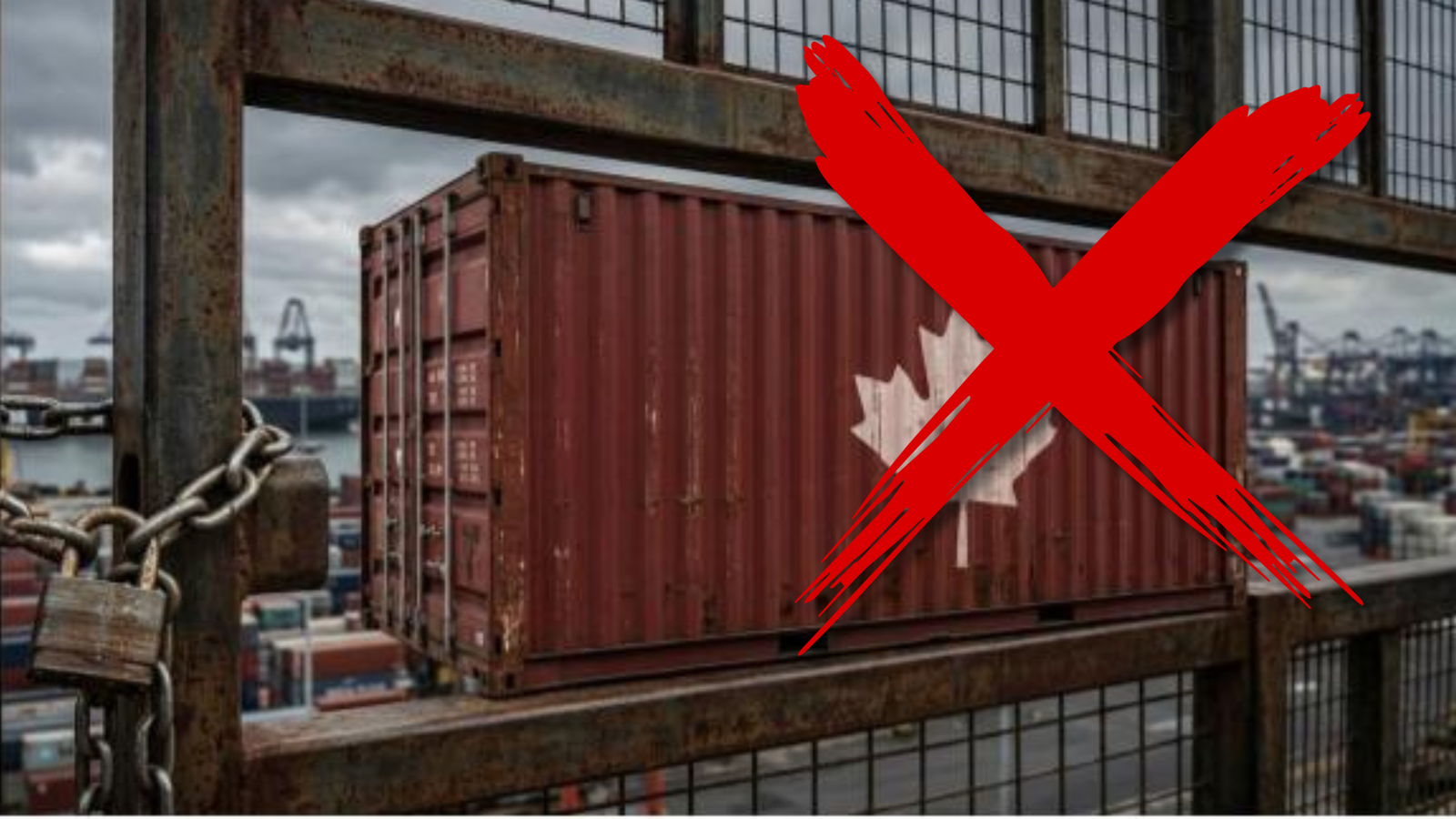
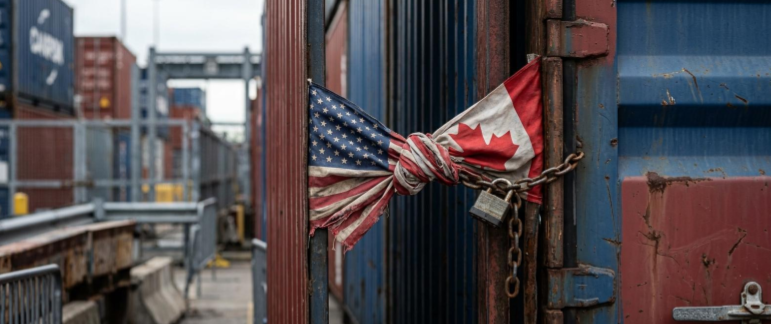
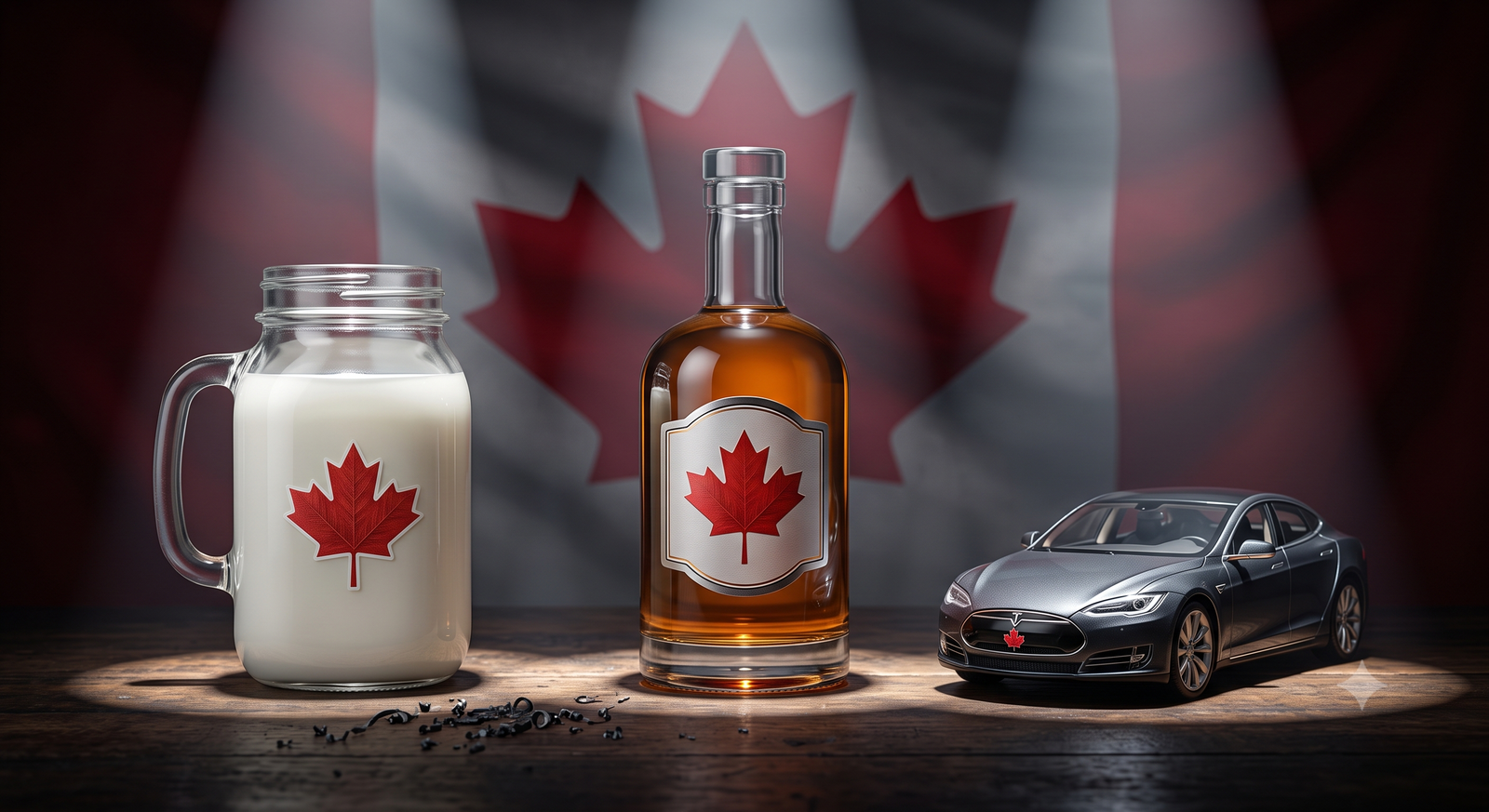
On July 2026, the White House published several measures to protect American Industry, three of those against Canadian imports as a retaliatory measure against imports from Canada, who has also reacted to original tariffs from the United States.
1. Motor Vehicles
In a proclamation issued by President Donald J. Trump, the U.S. government announced significant counter-tariffs on Canadian imports pursuant to Section 338 of the Tariff Act of 1930. The administration cited Canadian trade practices—specifically a 25% surtax scheme and tariff-rate quotas (TRQs) applied selectively to U.S. motor vehicles—as discriminatory measures that unfairly burden American commerce. According to the document, this trade imbalance caused U.S. automotive exports to Canada to drop by 22% (over $5.5 billion) between April 2025 and March 2026, while Canadian imports of vehicles from competing nations like Mexico, Japan, Korea, and Germany surged.
To offset this competitive disadvantage and pressure Canada to eliminate its discriminatory auto tariffs, the proclamation levies an additional 50% ad valorem duty on a comprehensive list of imported Canadian goods, scheduled to take effect at 12:01 a.m. Eastern Time on August 19, 2026.
Scope of Targeted Products (Annex I)
The specific products impacted by this 50% tariff rate are classified under the Harmonized Tariff Schedule of the United States (HTSUS) and detailed across the proclamation's annexes. Rather than limiting the response strictly to automotive goods, the product scope outlined in Annex I spans an extensive cross-section of the Canadian economy, covering raw commodities, consumer goods, and industrial equipment. Key categories include:
-
Agriculture & Natural Products: Live plants, cut flowers, seeds, bulbs, honey, and feathers.
-
Chemicals, Plastics & Rubber: Essential oils, industrial adhesives, raw and processed plastics, rubber compounds, and specialized chemical mixtures.
-
Textiles, Leather & Forestry: Raw hides, luggage, apparel, silk, cotton, synthetic textiles, plywood, fiberboard, charcoal, and paper product lines.
-
Machinery & High-Tech Electronics: Industrial compressors, packaging machinery, smartphones, cameras, display monitors, and printed circuit assemblies.
-
Consumer & Manufactured Goods: Furniture, lighting fixtures, sporting goods, toys, artwork, and antiques.
Exemptions & Administration
Certain categories are explicitly carved out from these new duties. The 50% tariff does not apply to articles already subject to Section 232 import restrictions under the Trade Expansion Act of 1962, nor to civil aircraft or aircraft parts meeting the criteria of the WTO Agreement on Trade in Civil Aircraft.
U.S. Customs and Border Protection (CBP), working alongside the Department of the Treasury and the U.S. Trade Representative, is empowered to administer the duties, modify HTSUS classifications, and enforce special entry rules for goods entering U.S. Foreign Trade Zones. While Annex I provides plain-language product descriptions for general reference, the official legal scope remains strictly defined by HTSUS subheadings enforced by CBP.
2. Alcohol and Liquor
Executive Context of the Proclamation
Pursuant to Section 338 of the Tariff Act of 1930, President Donald J. Trump issued a proclamation imposing retaliatory 50% ad valorem tariffs on imported Canadian goods to counteract discriminatory trade practices affecting U.S. commercial interests—specifically provincial and territorial bans restricting the purchase, distribution, and retailing of American alcoholic beverages.
Following the implementation of regional restrictions by entities like the Liquor Control Board of Ontario (LCBO) and the Société des Alcools du Québec (SAQ) in March 2025, U.S. alcohol exports to Canada plunged by 81% (from $718 million down to $137 million over a 12-month period), while Canadian imports of alcohol from competing nations increased significantly. To offset this imbalance, the proclamation applies an additional 50% tariff taking effect at 12:01 a.m. Eastern Time on August 19, 2026.
Breakdown of Targeted Products (Annex I)
While the underlying trade dispute stems from market restrictions on alcoholic beverages, the specific tariff list defined in Annex I targets a tailored group of Canadian exports spanning beverages, forestry, paper products, and specialized consumer goods.
1. Alcoholic Beverages & Spirits
The largest portion of the list targets Canadian production across virtually all beverage alcohol categories, regardless of container size:
-
Malt & Fermented Beverages: Beer made from malt, cider, prune wine, rice wine/sake, vermouth, and other fermented beverages.
-
Wines: Sparkling wines, effervescent wines, Tokay, Marsala, and grape wines across all container sizes and alcohol concentrations.
-
Distilled Spirits & Liquors: Whiskies (including Scotch, Irish, and other varieties), vodka, rum, gin, tequila, mezcal, pisco, singani, grape and fruit brandies (including slivovitz), liqueurs, cordials, bitters, and ethyl alcohol for beverage purposes.
2. Wood & Bamboo Products
-
Densified & Processed Wood: Densified wood in blocks, plates, or strips.
-
Wood Tableware & Furnishings: Wooden tableware, kitchenware, wood marquetry, inlaid wood, and wooden furniture items.
-
Bamboo Goods: Bamboo skewers, ice cream sticks, drink mixers, pickets, posts, rails, and assembled fence sections.
3. Paper, Cardboard & Packaging Materials
-
Industrial & Graphic Paper: Uncoated unbleached kraftliner, greaseproof paper, and coated graphic paper/paperboard.
-
Plastic-Coated & Cellulose Products: Paperboard coated or impregnated with plastics, as well as cellulose wadding and webs.
4. Essential Oils & Woven Wares
-
Grapefruit Oils: Essential oils derived from grapefruit.
-
Basketwork: Baskets and woven articles made from vegetable materials.
5. Sporting Goods
-
Hockey Gear: Ice-hockey and field-hockey articles, equipment, parts, and accessories (excluding balls and skates).
Exemptions & Administrative Rules
-
Carve-Outs: The 50% tariff does not apply to articles already subject to import restrictions under Section 232 of the Trade Expansion Act of 1962, nor to civil aircraft or aircraft parts meeting the criteria of General Note 6 of the HTSUS.
-
Foreign Trade Zones: Goods entering U.S. Foreign Trade Zones on or after the effective date must be admitted under "privileged foreign status" to ensure full application of the tariff upon entry for domestic consumption.
-
Scope Definition: While product descriptions in Annex I serve as general reference guidelines, the legal scope of the action is strictly determined by official HTSUS subheadings enforced by U.S. Customs and Border Protection (CBP).
3. Dairy
In this third proclamation, the U.S. government expands its retaliatory measures under Section 338 of the Tariff Act of 1930 to address discriminatory trade practices in the dairy sector.
Here is a breakdown of the key elements detailed in the document:
The Trade Dispute: Dairy & Cheese Quotas
The proclamation targets Canada's tariff-rate quota (TRQ) allocation measures for cheeses of all types. Under current policies, Canada maintains two different TRQ agreements: one under the United States-Mexico-Canada Agreement (USMCA) and another under the Canada-European Union Comprehensive Economic and Trade Agreement (CETA).
The U.S. administration found that Canada applies unequal eligibility criteria between the two agreements. Specifically, Canada allows retailers to obtain and use TRQ allocations for European Union cheeses under CETA, but explicitly denies retailers access to the TRQ for U.S. cheeses under USMCA. This discrepancy unfairly disadvantages American dairy producers and exporters by impeding their market access compared to their European counterparts, resulting in suppressed agricultural output and lost revenues for the U.S.
Retaliatory Tariffs & Scope (Annex II)
To pressure Canada into removing this discriminatory policy and to offset the burden on U.S. commerce, the proclamation levies an additional 50% ad valorem duty on a specific list of Canadian imports.
-
Effective Date: The new tariffs take effect at 12:01 a.m. Eastern Time on August 19, 2026.
-
Targeted Products: Unlike the previous proclamations that utilized Annex I, the specific Canadian products affected by this dairy-related tariff action are outlined in Annex II.
Exemptions & Enforcement Rules
The enforcement rules for this proclamation closely mirror the previous ones:
-
Carve-Outs: The 50% duty does not apply to goods already subject to import restrictions under Section 232 of the Trade Expansion Act of 1962, nor to civil aircraft or aircraft parts (excluding unmanned aircraft) covered by the WTO Agreement on Trade in Civil Aircraft.
-
Foreign Trade Zones: Any affected products entering U.S. Foreign Trade Zones on or after August 19, 2026, must be admitted under "privileged foreign status" to ensure the 50% tariff is applied when they enter the U.S. market for consumption.
-
Administration: U.S. Customs and Border Protection (CBP) will administer the duties and has the authority to make technical modifications to the Harmonized Tariff Schedule of the United States (HTSUS) as needed.
Based on Annex I accompanying the third proclamation, the 50% Section 338 ad valorem tariff specifically targets a wide range of dairy commodities, milk derivatives, sugars, syrups, and related agricultural inputs.
Detailed Breakdown of Affected Products
1. Powdered & Concentrated Milk & Cream
-
Powdered Milk & Cream: Concentrated or sweetened milk/cream in solid, granular, or powdered form across all fat levels (under 1.5%, 1.5%–3%, 3%–35%, and over 35%).
-
Liquid & Non-Solid Concentrates: Concentrated liquid milk and cream (sweetened and unsweetened), both in airtight and non-airtight containers.
2. Whey, Casein & Milk Derivatives
-
Whey Products: Whey protein concentrates, fluid whey, dried whey, and modified whey.
-
Casein & Derivatives: Pure casein, casein glues, caseinates, and other casein derivatives.
-
Milk Proteins & Albumin: Milk protein concentrates, milk albumin (including multi-whey protein concentrates), and other natural milk constituent preparations.
3. Sugars, Syrups & Molasses
-
Lactose: Pure natural lactose and lactose syrups (both above and below 99% purity).
-
Glucose, Fructose & Syrups: Glucose, fructose, invert molasses, and blended syrups containing fructose.
-
Molasses: Cane molasses and other non-cane molasses imported for human consumption, commercial sugar extraction, or general industrial use.
4. Prepared Food Ingredients & Beverages
-
Bakers' Mixes: Mixes for bakers' wares containing over 25% butterfat by weight (non-retail).
-
Nonalcoholic Beverages: Nonalcoholic beer.
5. Agricultural Inputs & Animal By-Products
-
Hops: Hop cones (fresh, dried, ground, powdered, or in pellets) and lupulin.
-
Animal By-Products: Unworked, defatted, or degelatinized bones and horn-cores, including powder and waste.
-
Resins & Gums: Natural gums, resins, gum-resins, and oleoresins (balsams).
-
Peptones & Proteins: Peptones, peptone derivatives, general protein substances, and hide powder.
6. Essential Oils
-
Peppermint Oil: Essential oils derived specifically from peppermint (Mentha piperita).
Key Terms & Exceptions
-
Carve-Outs: The 50% tariff does not apply to items already restricted under Section 232 of the Trade Expansion Act of 1962, nor to civil aircraft or aircraft parts meeting the criteria of General Note 6 of the HTSUS.
-
Legal Scope: As noted in the document, product descriptions serve an informational purpose; the formal legal application is defined strictly by the official Harmonized Tariff Schedule (HTSUS) subheadings as enforced by U.S. Customs and Border Protection (CBP).
https://www.whitehouse.gov/presidential-actions/2026/07/imposing-additional-duties-to-offset-canadian-discrimination-against-the-commerce-of-the-united-states-with-respect-to-motor-vehicles/